columbus day
columbus day
Columbus Day is a U.S. federal holiday commemorating the arrival of Christopher Columbus in the Americas on October 12, 1492. Observed on the second Monday of October, the holiday is a point of celebration for some and a painful reminder of colonization for others, leading many cities and states to replace it with Indigenous Peoples’ Day.
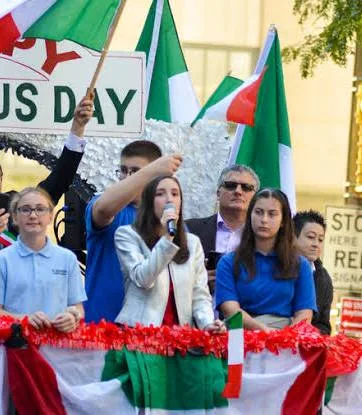
Celebration of Italian American heritage
- The holiday became a federal observance in 1937, partly due to lobbying from Italian-American groups, who celebrate the day to honor their heritage.
- New York City holds one of the largest Columbus Day parades, which highlights Italian-American pride.
Observance and controversy
- While it is a federal holiday, meaning federal employees and postal services get the day off, observation varies greatly at the state and local levels.
- Many states and cities have replaced Columbus Day with Indigenous Peoples’ Day due to the devastating impact of colonization on Native Americans following Columbus’s arrival.
- Some critics point to historical accounts describing Columbus’s brutal treatment of the indigenous people he encountered.
- In 2021, President Joe Biden issued the first presidential proclamation of Indigenous Peoples’ Day, acknowledging the destructive legacy of Columbus’s arrival.
Global perspective
- The observance of Columbus’s arrival is not unique to the U.S. and is marked by different holidays across the Americas and in Italy and Spain.
- Many Latin American countries previously celebrated “Día de la Raza,” but some have renamed or replaced the holiday to focus on indigenous peoples and cultural diversity.